
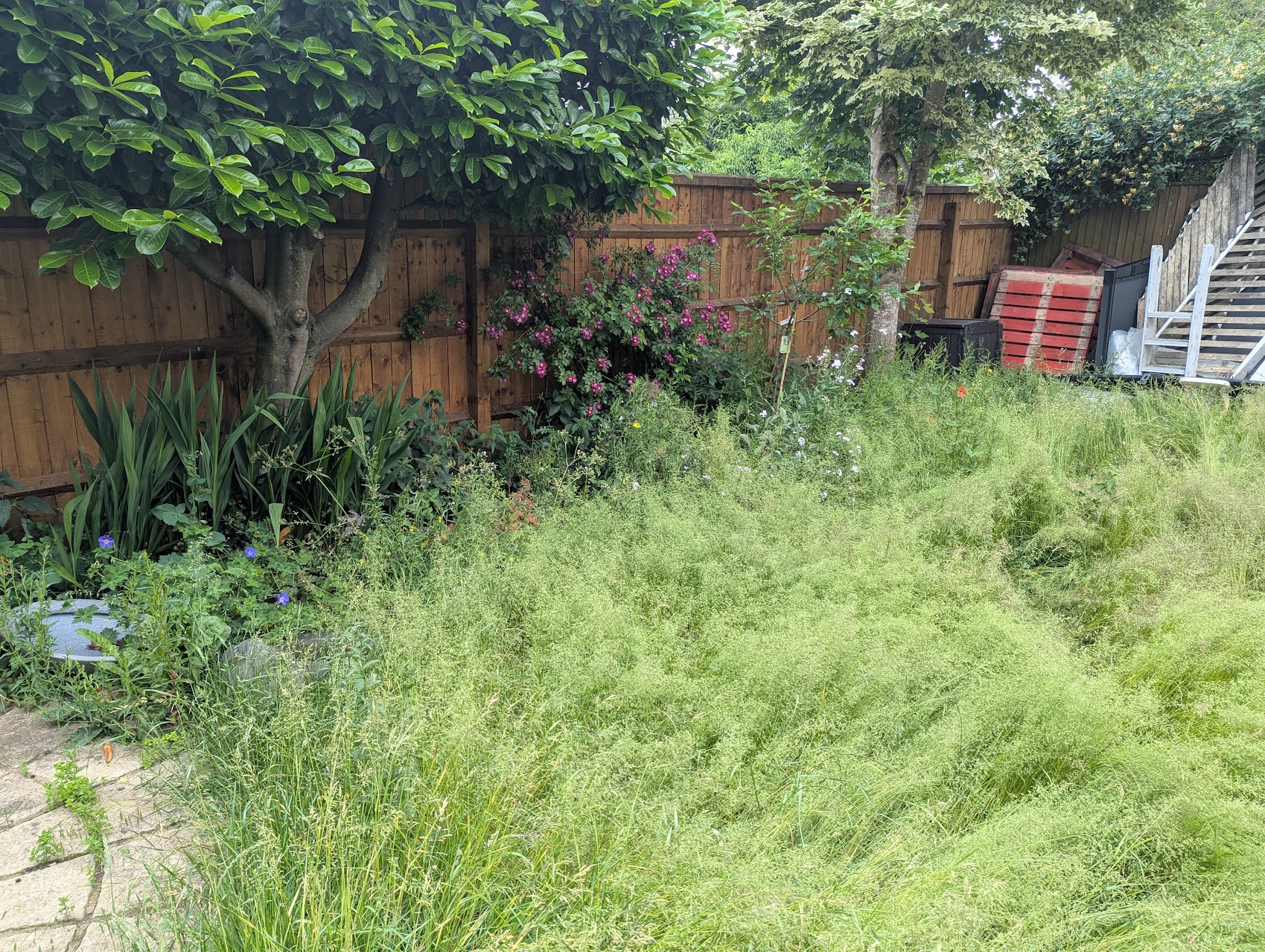
How to Combat Weeds in Your Garden
Weeds are one of the most common frustrations for gardeners. They compete with plants for water, nutrients, and sunlight, and if left unchecked, they can quickly take over lawns, borders, and driveways. The good news is that with the right approach, weeds can be controlled effectively without turning gardening into a constant battle.
Understand why weeds grow
Weeds thrive where conditions allow them to. Bare soil, compacted ground, poor drainage, and neglected areas are all perfect environments for unwanted growth. Many weeds are opportunistic, meaning they appear quickly when soil is exposed. Preventing weeds often starts with improving soil health and reducing the opportunities for them to establish in the first place.
Regular manual removal
Hand weeding remains one of the most effective methods, especially for small gardens or borders. The key is to remove weeds early, before they flower and spread seeds. When pulling weeds, aim to remove the entire root system, as many common weeds will regrow if roots are left behind. For deep-rooted weeds, a garden fork or weeding tool can help loosen the soil and make removal easier.
Use mulch to suppress growth
Mulching is one of the best long-term strategies for weed control. Organic mulches such as bark chips, compost, or well-rotted manure create a barrier that blocks sunlight, preventing weed seeds from germinating. A layer of mulch around 5–8cm thick is usually sufficient. In addition to suppressing weeds, mulch helps retain moisture and improves soil structure over time.
Maintain a healthy lawn
For lawns, weed prevention is closely linked to grass health. A thick, well-maintained lawn leaves little room for weeds to take hold. Regular mowing, feeding, and aeration encourage strong grass growth. If weeds do appear, spot treatments are more effective and less disruptive than treating the entire lawn.
Control weeds on paths and driveways
Weeds growing between paving slabs or along driveways can be particularly stubborn. Regular brushing to remove debris and soil reduces the chance of seeds settling. Boiling water can be an effective, chemical-free way to kill weeds in hard surfaces, although repeat applications may be necessary. For persistent issues, a weed membrane beneath paving can provide long-term control.
Use weed killers responsibly
Chemical weed killers can be effective, but they should be used carefully and only when necessary. Always follow the manufacturer’s instructions and avoid spraying on windy days to protect nearby plants. Targeted, spot applications are preferable to broad spraying, especially in gardens with wildlife or pets.
Consistency is key
Weed control is most successful when done regularly. A little effort each week prevents weeds from becoming established and reduces the need for more drastic measures later. By combining prevention, manual removal, and good garden maintenance, you can keep weeds under control and enjoy a healthier, more attractive garden year-round.